




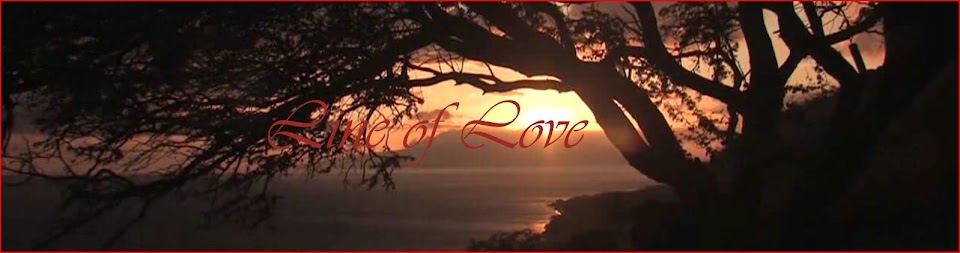
This is a pic of Bill and Jeanne Foss's final resting place on Edisto Island. Isn't it beautiful?
This was one of their favorite places---ours too! A very appropriate spot!
Merry Christmas and Happy New Year to all of you!
With Love,
Beth and Ken Bibb
What a delightful afternoon....thanks for the invitation...here's few photos from the gathering...
I don't have everybody's e-mail so please send them on............................have a great Thanksgiving!


Here is the Wall of Janet's Hospital Room at St. Lukes' (now Merit Care) where she spent manny long months in her three year struggle with "Gillian-barre" french polio. Susan drew charactures of all of her health care providers.
Hans Andersen Foss: Borned 1851, immigrated 1877

Biography
Hans Andersen Foss was born the son of a small tenant farmer in 1851 in Modum, Norway. Foss became a store clerk shopkeeper. Like many of his countrymen, Foss immigrated to the United States in 1887 where he first tried his hand at farming in Minnesota.
A lifelong proponent of the prohibition movement, Foss edited several temperance publications and for five years served as editor for the Norwegian language newspaper Normanden in Grand Forks. In 1906, Foss gave up the newspaper business and became a grain dealer, eventually settling in Minot, North Dakota, where he lived until his death in 1929.
Foss wrote several novels including Husmands-gutten(The Cotter's Son or The Cotter Lad), which was first serialized in the Norwegian-language newspaperDecorah-Posten published in Decorah, Iowa . The tremendous popularity of The Cotter's Son serial was credited with saving the paper from bankruptcy.
Foss's imaginative plots and energetic writing style made him a popular author in the Norwegian-American immigrant community. Unfortunately, his tendency to sermonize and the lack of English-language translation caused his books to quickly fall out of fashion in America. Foss's lasting literary contribution is principally his influence on later, more widely known writers such as Peer Olson Strømme and Ole Rølvaag.
The Cotter's Son: A Story from Sigdal
Considered the most accurate depiction of the lifestyle of farm workers in Norway, The Cotter's Son tells the story of Ole Haugen, the son of the poor cotter (farm workers who lived in the small cottages on large European farms) and Marie Hovland, the daughter of a prosperous landowner.
Ole and Marie's childhood friendship blossoms into love despite their families' objections. The rigid class structure in Norway made marriage between them a social disaster for Marie's family and so Marie's father forbids their relationship. Determined to prove himself, Ole immigrates to America to seek his fortune. Many adventures await Ole during his three years living in Wisconsin and Chicago. In the meantime, Marie waits for her true love despite the emotional abuse of her father. After making a successful in business in America, Ole returns to Norway to finally win the hand of his beloved Marie.
The Cotter's Son was written in the author's native Norwegian language and has always enjoyed great popularity in Norway, where sixteen editions have been published. The novel did not attain such success in the United States, however, likely because it was not translated into English until the 1960s by Joel G. Winkjer. Out of print since 1963, the novel is now available in paperback from Smoky Water Press, Bismarck.

...received your card today!...looks great!!!....good choice for card...all the colors go so well......we have snow!!!!........is rygo & roshan going to Fargo for Christmas????.........talk with you later! janet


